

 Facebook
 X
X
 Pinterest
 Copy Link
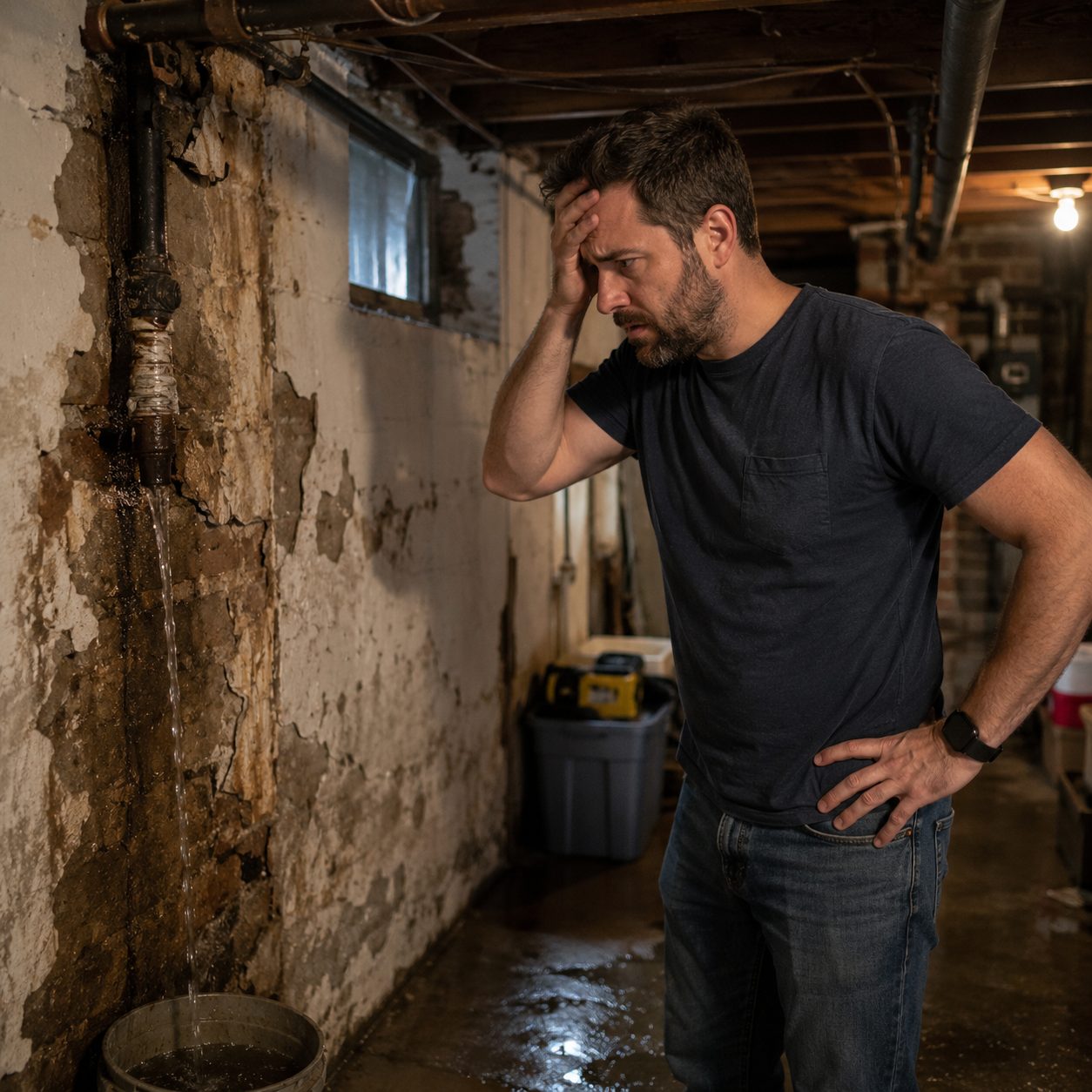
Sixty-four percent of Pennsylvania homeowners say they find homeownership stressful.
That’s a majority. And if you’re a buyer who’s never owned a home, or someone considering their next purchase, this isn’t a stat to dismiss — it’s a stat to understand.
Because here’s the thing: the stress is real, but it’s also manageable when you go in with the right expectations. The buyers who feel most blindsided by homeownership are usually the ones who didn’t have an honest conversation about what they were getting into before they signed.
Let me have that conversation with you.
What’s Stressing Homeowners Out?
The data points to home repairs as the primary source of stress. Unexpected repair costs, figuring out contractors, not knowing what’s wrong or what it will cost — these are the realities that hit people harder than they expected.
There’s a reason for that. When you rent, you call a landlord. When you own, you call a contractor, figure out what the problem is, vet someone to fix it, and pay for it. That’s a different level of responsibility than most renters have dealt with.
The Homes That Minimize Repair Stress
The single best thing you can do as a buyer to reduce future repair stress is buy a well-maintained home and get a thorough inspection.
A home that’s been maintained by the same owner for years with documented service records — HVAC serviced annually, roof in good condition, no known water intrusion, updated electrical — is a very different ownership experience than one where deferred maintenance has been building up for a decade.
This is why I push back when buyers want to skip inspections to strengthen an offer. I understand the competitive strategy. I also understand that the $500 you saved on an inspection can become $20,000 in surprises after closing. In most situations, the inspection is the right call.
Building a Repair Reserve
One of the most practical pieces of advice I give buyers before closing: start a home repair reserve the day you move in. A general rule of thumb is to set aside 1–2% of your home’s purchase price annually for maintenance and repairs.
On a $250,000 Pittsburgh home, that’s $2,500–$5,000 per year. Not every year will need that. But when the furnace goes out in January or the water heater fails two days after you move in, having that fund means the stress is manageable rather than catastrophic.
Know Your Systems Before Something Breaks
Spend the first weekend in your home getting familiar with it:
- Where’s the main water shutoff?
- Where’s the electrical panel? Do you know which breaker controls what?
- When was the furnace last serviced?
- What’s the age of the water heater?
- Where’s the sump pump (if you have one) and is it working?
None of this is complicated. But the homeowners who panic in emergencies are usually the ones who never found the water shutoff until water was coming through the ceiling.
The Honest Balance
Yes, homeownership comes with responsibility and occasional stress. No, that doesn’t mean renting is a better financial path for most people over time.
The equity you build, the stability of a fixed payment (vs. rising rent), and the ability to customize and improve your space are real advantages. The repair stress is real too — and manageable with preparation.
Going in with eyes open is always better than going in with only the highlight reel of homeownership.
I’d rather have the honest conversation with you before you buy than have you call me stressed six months after closing.
🌐 kan.realtor
